In-house Development vs. Licensed OEM: Pros and Cons of IP Merchandise Strategy
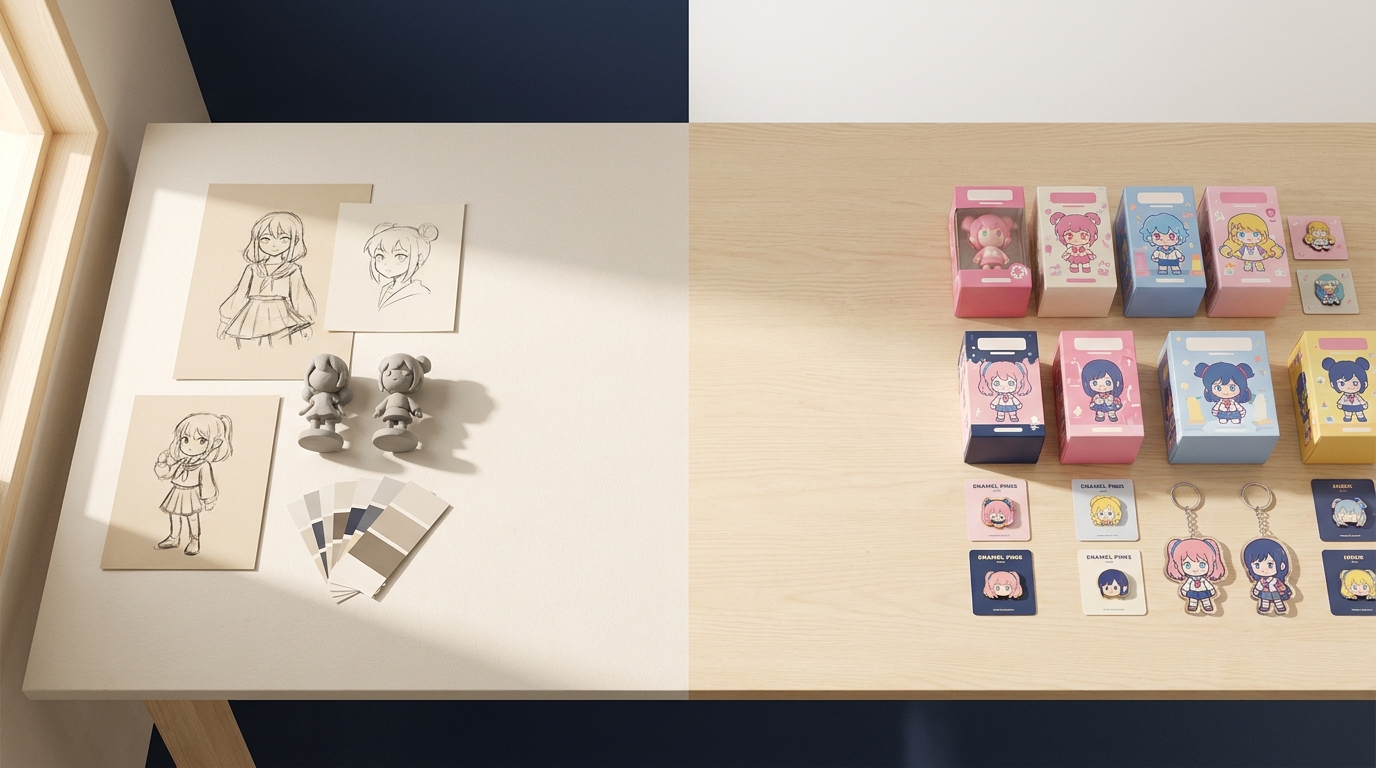
In today's competitive market, leveraging intellectual property (IP) to create compelling merchandise is a powerful way to engage fans and boost brand loyalty. Whether it's a popular anime character, a beloved mascot, or a unique brand identity, turning IP into physical products can unlock significant value. But here’s the million-dollar question we often hear from clients: should we build our own production line, or work with an experienced OEM partner? It's a critical decision that impacts everything from budget and timeline to quality and overall brand perception.
Why IP Merchandise Matters for Your Brand (and the Big Decision)
The fan economy is booming, and consumers are eager to own a piece of their favorite IP. For brands, this translates into increased revenue, enhanced brand visibility, and deeper emotional connections with their audience. However, jumping into merchandise production without a clear strategy can lead to costly mistakes. The first major hurdle is deciding whether to keep product development and manufacturing in-house or to outsource it. There's no one-size-fits-all answer; the best choice depends on your brand's resources, expertise, and long-term goals. Let's break down the pros and cons of each approach.
The "Do It Yourself" Route: In-house Development
Opting for in-house development means your team handles everything from design and prototyping to manufacturing and quality control. This approach offers several distinct advantages:
- Full Control: You maintain absolute control over every aspect of the product, ensuring it perfectly aligns with your brand's vision and quality standards.
- Brand Consistency: It's easier to maintain a consistent brand image and messaging across all products when everything is managed internally.
- Flexibility: You can make quick design changes or respond to market trends without external dependencies.
- Knowledge Retention: Your team gains valuable experience and expertise in product development, which can be beneficial for future projects.
However, the challenges can be substantial:
- High Upfront Costs: Setting up production facilities, acquiring machinery, and hiring specialized staff requires significant capital investment.
- Steep Learning Curve: If product manufacturing isn't your core business, you'll face a steep learning curve, potentially leading to delays and inefficiencies.
- Resource Intensive: It demands considerable time, human resources, and ongoing operational management.
- Scalability Issues: Scaling production up or down to meet fluctuating demand can be complex and expensive.
We've seen clients who initially tried to do everything themselves, only to realize the hidden costs of managing a full supply chain. It’s often more complex than they anticipated.
The "Partner Up" Approach: Licensed OEM/ODM
Working with a licensed Original Equipment Manufacturer (OEM) or Original Design Manufacturer (ODM) means you're partnering with specialists who have the expertise, equipment, and supply chain network to produce your merchandise. This is where CTRS often steps in to help.
The benefits are compelling:
- Cost-Effective: You avoid the massive upfront investment in facilities and equipment, significantly reducing capital expenditure.
- Specialized Expertise: OEMs bring years of experience in manufacturing, material sourcing, and quality control, ensuring high-quality products.
- Faster Time-to-Market: With established processes and supply chains, OEMs can often produce and deliver products much quicker.
- Scalability: OEMs are equipped to handle varying production volumes, making it easier to scale up for peak seasons or down during slower periods.
- Reduced Risk: The OEM partner takes on much of the manufacturing risk, allowing you to focus on your core business: IP creation and marketing.
Of course, there are also considerations:
- Less Direct Control: While you set the specifications, the day-to-day manufacturing is handled externally, requiring clear communication and trust.
- Reliance on Partner: Your product quality and delivery timelines are dependent on the OEM's performance.
- Intellectual Property Security: It's crucial to choose a reputable OEM with strong IP protection policies and contracts.
Many of our clients come to us because they want the peace of mind that comes with working with a reliable OEM. We handle the complexities of production, from material selection to final quality checks, so they can focus on their IP.
Making the Right Choice for Your Brand
So, how do you decide? Consider these factors:
- Budget: If you have limited capital, OEM is usually the more financially viable option.
- Expertise: If manufacturing isn't your core strength, outsourcing to specialists makes sense.
- Time-to-Market: For quick launches or seasonal products, an OEM's efficiency is invaluable.
- Volume: For large-scale production or fluctuating demand, an OEM offers better scalability.
- Strategic Focus: Do you want to dedicate your resources to content creation and marketing, or to manufacturing?
At CTRS, we specialize in helping brands navigate these choices. We work closely with IP owners and brand managers, translating their creative vision into high-quality, market-ready merchandise. From initial design consultation and material selection to production and quality assurance, we ensure your IP products not only meet but exceed fan expectations, helping you truly capitalize on the fan economy.
Ready to Bring Your IP to Life?
Whether you're leaning towards in-house development or exploring the benefits of a licensed OEM, understanding your options is the first step. We're here to help you make informed decisions and transform your IP into successful merchandise. Start a project with us.
Have a concept in mind?
From budgeting to design to production — we respond within one business day.