
Eco-friendly Materials vs. Quality Design: Which Paper Bag is "Harder to Throw Away" for Customers?
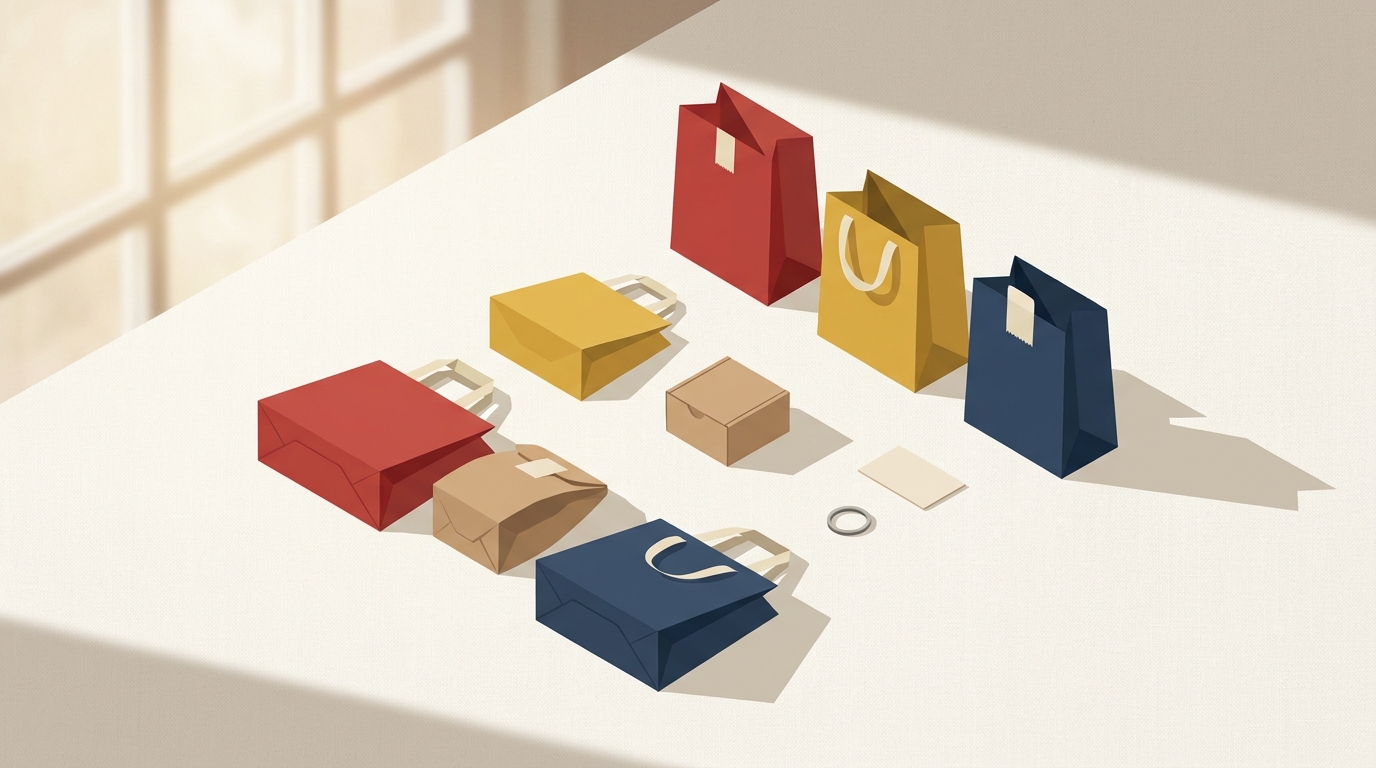
Ever find yourself in this situation after shopping: you bought something you love, the store assistant hands you a beautifully designed paper bag, and when you get home, you hesitate? "This bag is too pretty to throw away!" But with limited space, it eventually ends up in the recycling bin, right?
This is the dilemma many brand owners and marketing planners face when designing packaging: How to make customers "reluctant to throw away" their brand's packaging? Today, let's discuss whether emphasizing "eco-friendly materials" for sustainability or focusing on "quality design" with exquisite details is more likely to win over customers' hearts.
The Power of Design: From Packaging to Keepsake
At CTRS, we customize gifts and packaging for many brands, and we've observed an interesting phenomenon: the paper bags that customers cherish and even actively share are often not just because they are "eco-friendly." More often, it's the design itself that gives them value beyond mere packaging.
- Aesthetic Appeal: A paper bag with unique illustrations, special printing techniques, or an intricate structure is a work of art in itself. For instance, we designed a co-branded tote bag for a premium coffee shop; its clean lines paired with a gold-foiled logo meant customers would repurpose it to store magazines or use it as secondary gift packaging.
- Extension of Brand Story: When packaging conveys a brand's spirit or story, it creates an emotional connection. For example, we designed a paper bag for a creative lifestyle brand featuring their slogan and mascot. It was so charming that many customers couldn't bear to throw it away, with some even cutting out parts to use as bookmarks or collectibles.
This type of design transforms the paper bag from a mere carrier into an integral part of the brand experience, and even a "collectible item."
Practicality Reigns: Giving Paper Bags a "Second Life"
Beyond aesthetics, practicality is also a key factor in making customers "reluctant to throw away" packaging. If a paper bag can serve other purposes, it's naturally more likely to be kept.
- Thoughtful Size and Structure: We once helped a bakery brand design a gift box bag that was just the right size for A4 documents and made from sturdier material. Many office workers kept it to use as a lunch bag or a temporary briefcase. This "just right" design ensured the bag remained useful even after the product was removed.
- Reusable Designs: Some brands design paper bags to be storage boxes, book covers, or even DIY toys. While this presents a challenge in terms of design and manufacturing costs, it significantly extends the bag's lifecycle and ensures customers remember your brand with every use. One client designed their paper bags as outer packaging for small potted plants; customers could cut along dotted lines to transform them into cute plant sleeves. This interactivity made the packaging much more engaging.
When a paper bag is no longer a single-use item but a practical object integrated into a customer's daily life, its value increases significantly.
Eco-Friendly Sustainability: Is Concept Alone Enough?
In recent years, environmental sustainability has become a critical issue for all brands, and many clients specifically request recycled paper, FSC-certified materials, or biodegradable inks. This is undoubtedly the right direction, and something CTRS actively promotes.
However, we've also observed that simply emphasizing "eco-friendly materials," without compelling design or practical utility, often still leads to customers discarding the packaging. For consumers, sustainability is a "bonus," not a "must-have."
"If an eco-friendly paper bag looks like a plain plastic bag, even if customers know it's sustainable, they'll still prioritize throwing it away."
Truly unforgettable eco-friendly paper bags are those that, in addition to being sustainable, also boast aesthetic appeal and practicality. For example, we designed a recycled paper bag for an organic lifestyle brand, featuring simple, natural-style illustrations and cotton-linen handles for a premium overall feel. Customers not only appreciated the eco-friendly mission but also chose to reuse it because of its beauty and durability.
CTRS's Recommendation: The Golden Intersection of Quality Design and Sustainability
So, returning to the original question: Eco-friendly materials vs. quality design – which paper bag is harder to throw away? Our answer: aim for both, but "quality design" is often the more direct entry point.
A beautifully designed, memorable, and even functional paper bag inherently encourages customers to keep it. If this design also incorporates eco-friendly materials, it's the icing on the cake, further enhancing the brand's image.
At CTRS, we recommend brand owners and procurement managers consider these aspects when planning packaging:
- Consider "secondary use" possibilities: What else can this paper bag do besides holding the product? Storage, gifting, decoration?
- Integrate brand story and aesthetics: Let the paper bag be an extension of your brand's visual identity, increasing its collectible value.
- Material selection: Within budget, prioritize sustainable materials, ensuring their tactile and visual qualities complement the design.
Through these strategies, your brand's packaging will transform from a mere cost into a powerful tool for enhancing brand value and building customer loyalty.
Start a project with us.
Have a concept in mind?
From budgeting to design to production — we respond within one business day.